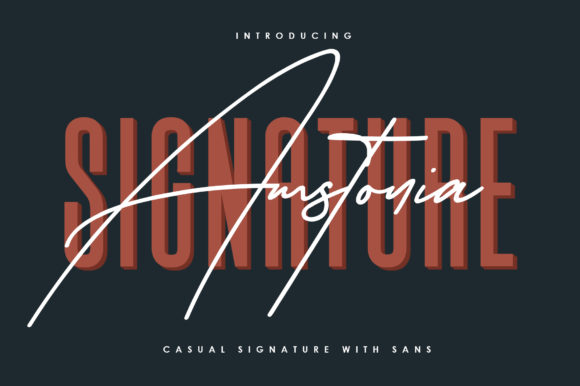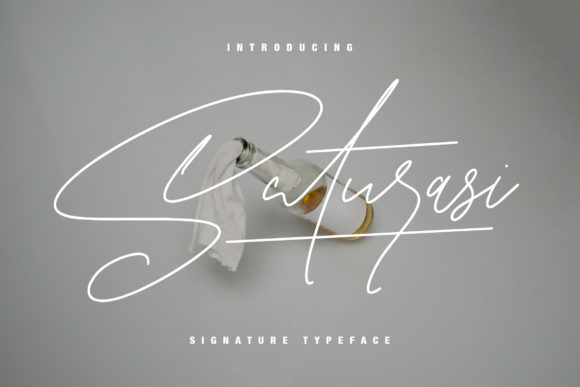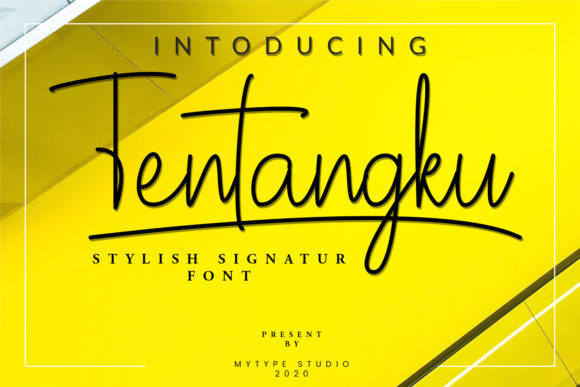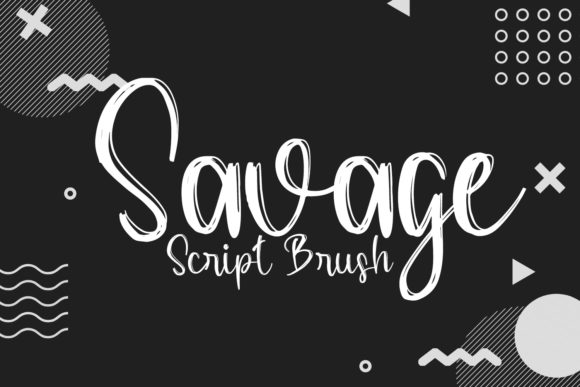
The Good Stuff: A Signature Font for Authentic Connection
In the digital world, where polished perfection can feel sterile, the search for authenticity is a constant challenge for designers and brands. We strive to create projects that feel human, that connect on a personal level, and that convey personality beyond the standard template. The tool that bridges this gap is often found in the details, specifically in the choice of typography. This is where The Good Stuff enters the conversation—not as just another font, but as a handwritten signature script designed with a natural flow that brings a touch of genuine humanity to any design.
Understanding the Typography Challenge: Cold Digital vs. Warm Human
Modern design software offers a universe of clean, geometric, and impeccably uniform typefaces. While these are essential for structure and readability, they can sometimes leave a project feeling impersonal. When your goal is to evoke warmth, trust, or a personal touch—such as in a wedding invitation, a boutique brand logo, a heartfelt blog header, or a direct marketing email—the standard sans-serif can feel detached. The need is for a typographic element that whispers rather than shouts, that suggests a handcrafted care and intentionality. This is the core situation The Good Stuff is built to address.
How The Good Stuff Provides a Solution
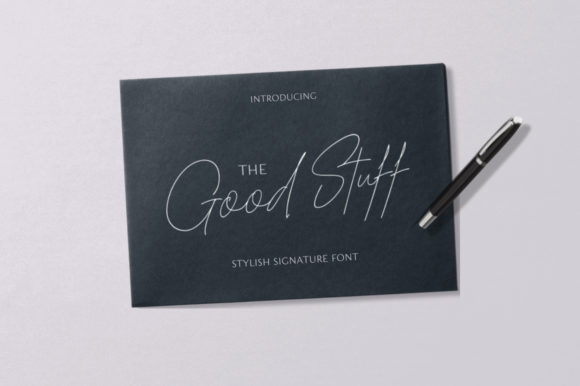
The Good Stuff is a font that mimics the elegant, continuous flow of a personal signature. Its characters connect seamlessly, with variations in stroke weight and natural ligatures that avoid the robotic repetition of many script fonts. This inherent natural flow is its greatest asset. By integrating it into a design, you are not simply adding text; you are embedding a gesture. It solves the cold-digital problem by introducing an artifact of human craft—the handwritten word—without the inconsistency of actual handwriting. It offers reliability where a real signature might vary, and scalability where a scanned autograph would fail.
Practical Applications and Real-World Outcomes
The versatility of The Good Stuff lies in its ability to straddle formal and informal contexts gracefully. Let’s explore some practical applications and the outcomes they achieve.
For formal designs, such as certificates, diplomas, or high-end event invitations, the font acts as a dignifying element. The outcome is an elevated sense of occasion and personal recognition. Instead of a generic "Congratulations," a line set in The Good Stuff feels like a personalized accolade, increasing the perceived value and emotional impact of the document.
In informal or brand-focused designs, the applications are even broader. Consider a local coffee shop's menu board. Using The Good Stuff for the daily specials header creates an immediate, friendly welcome. For an independent author's book cover, using the font for their name establishes a direct, almost autobiographical connection with the reader. On a website, using it for call-to-action buttons like "Send a Message" or "Your Order" can make digital interactions feel more conversational and less transactional.
Recommendations for Implementing The Good Stuff
To harness the full potential of The Good Stuff, consider these useful approaches.
- Use it as an accent, not a body font: Its strength is in highlight. Employ it for names, titles, key phrases, logos, or short quotes. Avoid setting long paragraphs with it, as its decorative nature can hinder reading fluency.
- Pair it with a strong structural typeface: Combine The Good Stuff with a clean, neutral sans-serif or serif font for body text. This contrast makes the script stand out beautifully and anchors the design with clear readability.
- Mind the context and color: For formal uses, pair it with muted, elegant colors and ample white space. For more playful brand applications, experiment with vibrant backgrounds or overlays on photographic textures to enhance its organic feel.
Tailoring Use to Different User Needs
How one approaches The Good Stuff will naturally differ based on specific goals.
The wedding planner or stationery designer will prioritize its formal elegance. Their focus will be on creating a cohesive suite—invitations, place cards, thank-you notes—where the script provides a consistent thread of personal romance, making every piece feel uniquely crafted for the couple.
The small business owner or solopreneur might approach it as a brand identity tool. They could use The Good Stuff for their logo or product line names to instantly communicate that their business is hands-on, artisanal, and approachable, differentiating themselves from corporate competitors.
The digital content creator or blogger could use it to increase engagement. Implementing it for blog post titles or newsletter headers can make content feel more like a personal letter from the writer to the reader, fostering a stronger community feel and higher open rates.
The Outcome: Building Trust Through Design
Ultimately, the implementation of a font like The Good Stuff goes beyond aesthetics. It serves a psychological function in design. In a landscape saturated with automated messages, a visual cue that suggests human effort and attention builds trust. It signals that someone cared enough to "sign" their work. This is the profound, yet simple, outcome of choosing this signature script: it transforms your project from a mere composition into a communicated intention.
When your challenge is to infuse a design with warmth, personality, or a sense of honored tradition, consider the power of the handwritten gesture. The Good Stuff provides that power in a reliable, scalable, and beautifully fluid form. It allows you to write your message not just with words, but with the implied care of a signature, making every project feel authentically, and wonderfully, human.