Magnola: The Elegant Script Font Defining Modern Craftsmanship
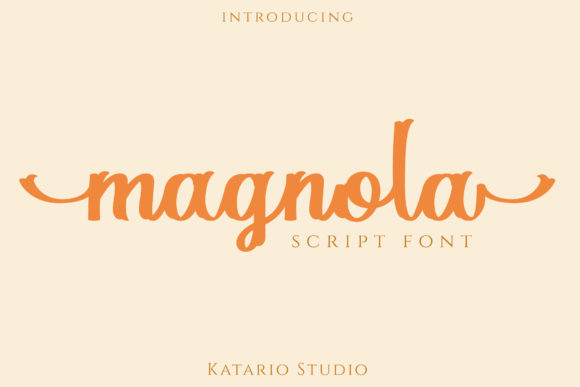
In a digital landscape saturated with minimalist sans-serifs and geometric typefaces, a return to elegance and personality is making a pronounced mark. Enter Magnola, a beautiful script font that embodies this shift. More than just a collection of letters, Magnola is a design tool infused with character, offering cute swashes and ligatures that bring a refined yet approachable warmth to any project. Its arrival speaks directly to evolving creative and commercial needs, where distinction and human-centric design are paramount.
The Anatomy of Elegance: What Magnola Brings to the Table
At its core, Magnola is a script font designed for versatility and impact. Its lines flow with a deliberate grace, balancing classic calligraphic inspiration with contemporary clarity. The true power of Magnola, however, lies in its detailed glyphs. The cute swashes and ligatures are not mere decorations; they are integral components that allow designers to customize wordforms, creating unique logotypes or enhancing key words within a layout. This level of detail enables a brand or project to feel crafted, not just assembled.
A critical technical feature underpinning this creativity is its PUA (Private Use Area) encoding. For professionals and creators, this means every alternate glyph and swash is easily accessible through standard font menus in software like Adobe Illustrator, Photoshop, or Affinity Designer. There’s no need for complex coding or obscure keyboard shortcuts. This seamless access democratizes high-level typographic detail, aligning perfectly with modern workflows that demand efficiency without sacrificing quality.
Rooted in Trends: Why Magnola Resonates Now
The relevance of Magnola extends beyond its aesthetic appeal; it is a responsive answer to broader industry trends. In branding and marketing, we are witnessing a move away from cold, corporate uniformity. Consumers and audiences seek connection, authenticity, and a sense of artisanal care. A font like Magnola, with its elegant twist, directly injects these qualities into packaging, social media visuals, and logo design. It helps a product feel personal, a brand feel heartfelt, and a message feel considered.
This trend intersects with the explosion of the creator economy and digital craftsmanship. Entrepreneurs, freelancers, and small businesses are building identities that must stand out in crowded online spaces. They need tools that offer premium results without requiring a full-time typographer. Magnola fits this need perfectly. It provides a sophisticated, ready-made voice that can elevate a startup’s branding or an influencer’s content, bridging the gap between professional-grade design and accessible execution.
The Workflow Evolution: Design Expectations Today
Modern creative workflows are defined by agility and integration. Design assets must perform across platforms—from print posters to Instagram posts to product labels—while maintaining consistency and impact. Magnola’s design versatility makes it a strategic asset in this environment. Its elegance holds authority in print, while its cute swashes add engaging motion in digital animations. The changing expectation is for fonts to be multi-purpose and emotionally resonant, not just functionally legible. Magnola meets this expectation by offering both utility and narrative.
Furthermore, the rise of design software with more intuitive glyph panels and the increasing importance of custom lettering in logo creation have made fonts with extensive alternate sets, like Magnola, highly valuable. They allow for rapid experimentation and iteration, key components in a fast-paced market where brand differentiation is critical.
Practical Applications: Where Magnola Shines
To understand its utility, consider tangible applications. For packaging in the beauty, boutique food, or craft goods sector, Magnola on a label conveys quality and care, suggesting a handmade attention to detail. In branding, using its ligatures to form a unique business name within a logo creates an instantly memorable and proprietary mark.
For social media posts, particularly in lifestyle, wedding planning, or luxury segments, quotes or key messages set in Magnola with activated swashes generate higher visual engagement and feel bespoke. Posters and event announcements gain a layer of classic sophistication, while digital crafts like e-book covers or online course graphics acquire an elegant authority.
- Brand Identity Projects: Creating logos with custom letterforms using the ligatures.
- Premium Product Packaging: Applying the script to labels for a tactile, artisanal feel.
- Digital Content Creation: Enhancing headlines and key text in social media graphics and blog imagery.
- Event and Wedding Design: Invitations, signage, and menus that require a graceful, personal tone.
Connecting to Larger Developments: The Humanization of Design
The attention paid to fonts like Magnola is part of a larger development in technology and consumer preference: the humanization of digital experiences. As interfaces and interactions become more automated, there is a countervailing desire for elements that feel organic, warm, and crafted. Typography is a primary carrier of this feeling. Magnola, with its script nature and decorative possibilities, introduces a human touch into otherwise digital or mass-produced mediums.
This connects to advancements in font technology itself. PUA encoding and improved software integration represent a trend toward making sophisticated typographic resources more accessible. It’s a democratization of design detail, enabling more creators to produce work that resonates on an emotional level. In this context, Magnola is not just a font; it’s an indicator of how design tools are evolving to meet both technical and emotional needs.
A Forward-Looking Tool for Strategic Creators
For the professional, marketer, or entrepreneur, selecting a font is a strategic decision. Magnola represents a choice to invest in a design asset that carries inherent value—the value of elegance, customization, and emotional connection. Its relevance is secured by its alignment with the enduring trend towards authenticity in visual communication. As markets continue to value craftsmanship and personality, the utility of a versatile, beautiful script font with easy-to-access glyphs will only grow.
Ultimately, Magnola offers more than letters. It offers a tone of voice. It provides a way to visually say that something is cared for, considered, and crafted with intention. In an age where attention is scarce and differentiation is key, these are not just aesthetic qualities; they are commercial and communicative assets. By understanding and utilizing tools like Magnola, creators and businesses equip themselves to meet the contemporary demand for design that is not only seen but felt.