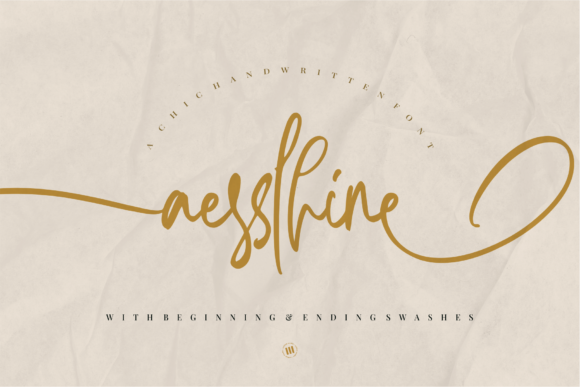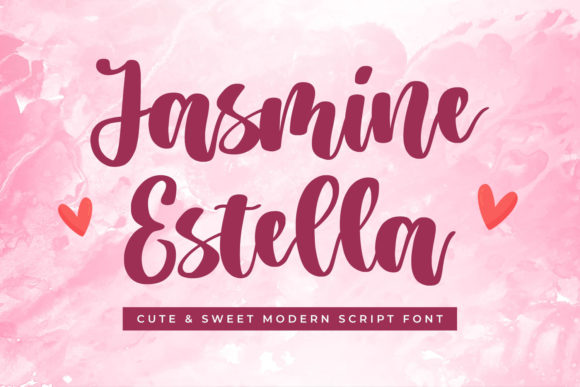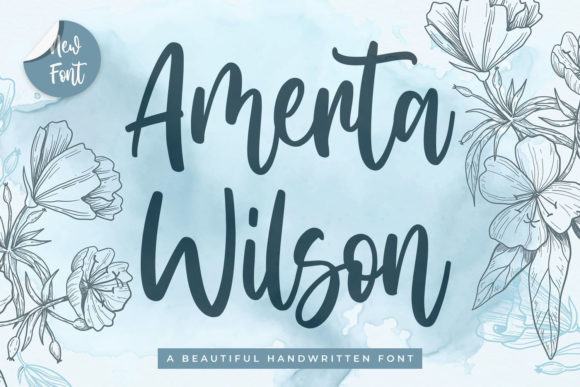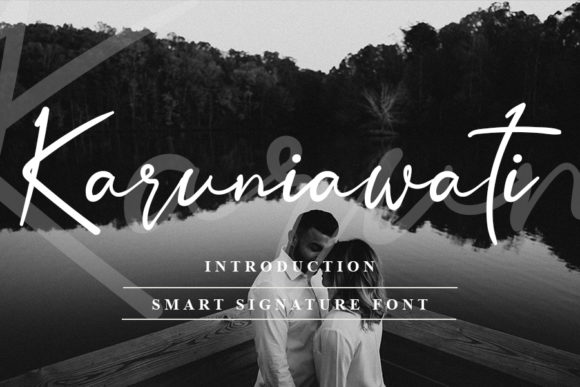
Draft: The Script Font That Feels Like Your Own Handwriting
In a world of polished, uniform digital typefaces, finding a font with personality can be a challenge. Draft is not just another script font added to a library. It’s a unique digital interpretation of the imperfect, spontaneous charm of handwriting—the quick sketch, the hurried note, the draft on a drawing sheet. Its character stems from its deliberate imperfections and flowing, natural rhythm, making it feel less like a font you’ve installed and more like a tool you’ve picked up.
What Exactly Is Draft?
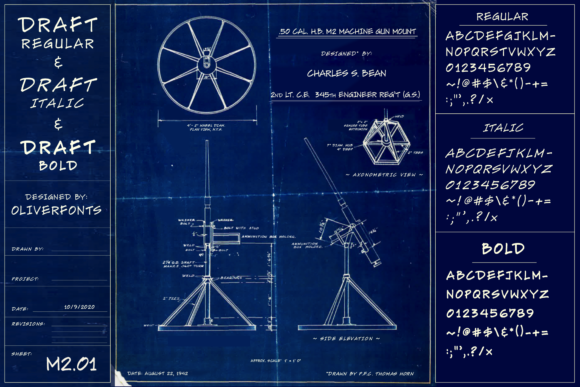
Draft is a script font designed to emulate the aesthetic of manual drafting and quick notation. It captures the essence of pencil on paper, ink on a napkin, or marker on a whiteboard. Unlike many formal calligraphy scripts, it avoids rigid consistency. The letters have a variable weight and a slight, intentional unevenness, mimicking the natural variation of human handwriting. This isn’t a font for formal certificates; it’s for projects that need warmth, immediacy, and a human touch.
Its versatility lies in this very specific aesthetic. It can seamlessly transition from looking like a handwritten note on a digital post-it to resembling elegant annotations on an architectural plan. The key is its context: it brings the informal, personal, and creative processes of drafting into the final presentation.
Why Different Creators Care About Draft
The appeal of Draft changes dramatically depending on who you are and what you’re trying to communicate. A marketer sees it differently than an architect. A beginner evaluates it on different criteria than a seasoned graphic designer. Its value isn’t universal; it’s contextual.
For the creative professional or freelancer, Draft is a solution to a common problem: adding authentic human texture to digital work. They might prioritize quality and flexibility. Does it look convincing at large sizes on a poster? Can it be used sparingly in a brand identity for a craft brewery to suggest handmade quality? Their evaluation is about commercial value and presentation—can this font elevate a client’s project with a feeling of authenticity?
An educator or blogger, however, might look at Draft for its learning value and ease of use. Creating engaging worksheets, presentation slides, or blog graphics that feel personal and approachable is a priority. They don’t need extensive font families; they need a reliable, single font that’s easy to apply and makes their materials feel less sterile and more engaging. Their concern is speed and long-term usefulness across various educational content.
Practical Applications Across Projects
Thinking about Draft in terms of concrete projects unlocks its potential. Here are ways different people might put it to work.
For the Hobbyist and Beginner
If you’re designing invitations for a friend’s party, personalizing a journal cover, or making simple labels for homemade preserves, Draft offers an immediate upgrade. Its ease of use is a major benefit. You don’t need advanced design software or knowledge; using it in a basic word processor or online tool instantly gives your project a crafted, personal look. The priority here is creativity and achieving a pleasing result without a steep learning curve. It’s about making something that looks “you made it,” not “you used a template.”
For the Entrepreneur and Small Business Owner
Authenticity is a powerful brand tool for small businesses. Draft can be strategically used to communicate this. Imagine a local coffee shop using Draft for the daily specials board shared on social media, or an independent ceramicist using it for hand-written-style descriptions on their online shop. It’s about cost-effective branding. The font becomes a visual shorthand for “handmade,” “personal,” and “community-focused.” Their evaluation hinges on commercial value and presentation—does this simple investment make my communications feel more genuine and connect with my audience?
For Designers and Advanced Creators
Here, Draft is a specific ingredient in a larger toolkit. An architectural designer might use it on rendering titles or annotation sheets to maintain the feel of a draft even in a final digital presentation. A graphic designer might layer it over a photograph in a magazine layout to simulate handwritten captions. Their use is about flexibility and quality—they’ll test its legibility in various contexts and pair it with contrasting typefaces. They care about its reliability across print and digital mediums and its ability to hold up in professional, high-stakes projects.
Identifying If Draft Matches Your Needs
Choosing a font is a practical decision. To decide if Draft is right for your next project, consider your goals and the project’s tone.
- Project Type: Is it informal, personal, creative, or needing a human touch? Draft excels on hand-written notes, artistic portfolios, craft business materials, educational graphics, casual invitations, and design presentations that want to retain a sketch-like quality.
- Desired Tone: Do you want to communicate warmth, spontaneity, creativity, or approachability? If you’re aiming for formal, authoritative, or highly technical, a more structured typeface might be better.
- Your Skill Level: Draft is famously accessible. If you’re a beginner, its single-weight, straightforward application makes it a great first step into using distinctive typography. For professionals, its unique character offers a ready-made solution for specific aesthetic needs.
For the consumer simply making a card or the marketer crafting an ad campaign, the question is similar: does this project need to feel like a person was involved? Draft provides that feeling instantly.
Beyond the First Impression: Long-Term Usefulness
A font’s value isn’t just in one project. Draft’s long-term usefulness stems from its niche. It won’t be your everyday body text font, but it will be a consistent go-to for when that specific handwritten aesthetic is required. For a freelance designer, it becomes a reliable part of their brand toolkit for certain client types. For a teacher, it’s a font they use semester after semester to create a consistent, friendly visual style for their materials. For a hobbyist, it might become their signature font for all personal projects. Its usefulness is defined by its consistency in delivering a very particular mood.
In the end, Draft is more than a collection of letters. It’s a digital conduit for human imperfection and creativity. Whether you’re drafting a building plan, a blog post, or a birthday card, it offers a way to keep the humanity in the process visible in the final product. Its priority is not perfection, but presence.